
Are Disposable Nitrile Gloves Best for Automotive and Industrial Mechanics?
Disposable nitrile gloves for mechanics have become a standard piece of protective equipment in automotive repair shops, heavy-duty maintenance facilities, and industrial workshops across the United States. As mechanics face daily exposure to oils, solvents, fuels, metal particles, and chemical residues, the demand for reliable hand protection has grown rapidly. Among various glove materials, nitrile consistently stands out for its balance of durability, chemical resistance, comfort, and cost-efficiency. This article explores whether disposable nitrile gloves truly represent the best choice for automotive and industrial mechanics, examining performance, safety standards, supplier comparisons, and evolving industry expectations.
Why Hand Protection Matters in Automotive and Industrial Work
Mechanics operate in environments where hands are exposed to multiple hazards simultaneously. Automotive disposable gloves must protect against petroleum-based fluids, sharp edges, vibration-related fatigue, and prolonged contact with contaminants that can cause dermatitis or long-term skin damage. In industrial settings, risks expand to include chemical splashes, industrial lubricants, and particulate contamination from manufacturing processes.

According to guidance published by the Occupational Safety and Health Administration (OSHA), appropriate glove selection plays a critical role in reducing workplace injuries and occupational illnesses. Gloves that fail prematurely or restrict dexterity can compromise both safety and productivity, making material choice a strategic decision rather than a simple purchasing task.
What Makes Nitrile Gloves Different?
Nitrile gloves for mechanics are made from synthetic rubber, offering a distinct advantage over latex and vinyl alternatives. Unlike latex, nitrile does not contain natural rubber proteins, eliminating concerns about allergic reactions. Compared with vinyl, nitrile delivers superior puncture resistance and elasticity, which is essential for tasks involving tools, fasteners, and mechanical components.
Mechanic nitrile gloves are also highly resistant to oils, greases, and many automotive chemicals. This resistance prevents degradation during extended use and reduces the risk of contaminants reaching the skin. Research summarised by the National Institute for Occupational Safety and Health (NIOSH) highlights nitrile’s effectiveness in environments requiring both chemical protection and tactile sensitivity.
Performance in Real-World Automotive Applications
In daily automotive repair scenarios, gloves are frequently donned and removed, stretched under stress, and exposed to abrasive surfaces. Disposable nitrile gloves for mechanics maintain structural integrity under these conditions better than many alternatives. Their tear resistance allows mechanics to complete tasks without frequent glove changes, improving workflow efficiency.
Grip performance is another decisive factor. Many automotive disposable gloves feature textured fingertips or palms, enabling secure handling of oily parts and precision tools. This tactile control directly impacts job quality and safety, particularly during engine work, brake servicing, and transmission repairs.
Comfort, Fit, and Dexterity for Long Shifts
Extended wear comfort is essential for mechanics working long shifts. Nitrile gloves conform closely to the hand, providing a snug fit that supports dexterity without excessive hand fatigue. Breathability has improved significantly with modern formulations, reducing sweat buildup during prolonged use.
Advances in glove design, referenced by standards such as ASTM D6319, ensure consistent thickness, tensile strength, and elongation. These standards help buyers evaluate quality across brands and support informed decisions during industrial protective glove manufacturers comparison processes.
Chemical Resistance and Industrial Safety Compliance
Industrial environments demand gloves that meet strict safety and compliance benchmarks. Disposable nitrile gloves are widely used in applications involving solvents, lubricants, and degreasers due to their chemical stability. Guidance from the U.S. Environmental Protection Agency (EPA) reinforces the importance of selecting gloves compatible with specific chemical exposures.
For facilities conducting industrial safety glove suppliers comparison, nitrile gloves consistently rank among the best disposable gloves for industrial applications. Their versatility allows a single glove type to support multiple tasks, reducing inventory complexity while maintaining safety standards.
Sustainability and Supply Chain Considerations
As sustainability becomes a growing concern, manufacturers are investing in improved production efficiency and responsible sourcing. Leading suppliers, including those operating under global quality management systems such as ISO 9001, are developing nitrile gloves with optimised material usage while maintaining performance standards.
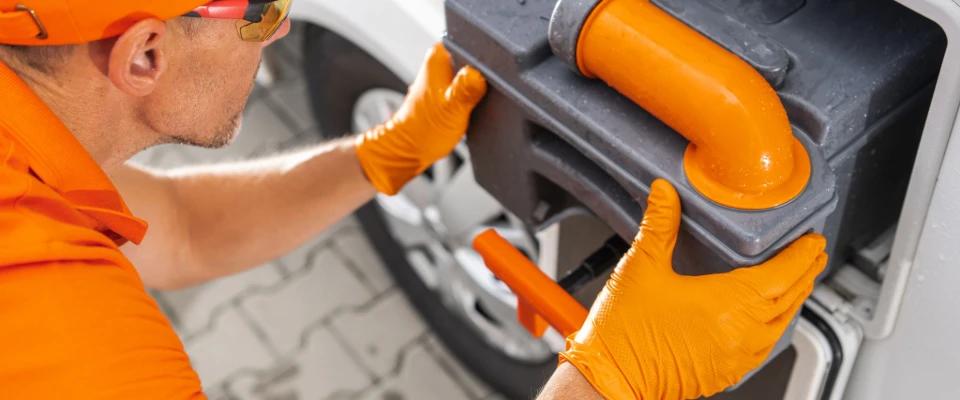
For buyers evaluating industrial protective glove manufacturers’ comparison reports, factors such as production capacity, regulatory compliance, and supply chain resilience are increasingly important. Consistent availability ensures that mechanics are never forced to compromise safety due to shortages.
The Role of Trusted Manufacturers and Global Standards
Trusted manufacturers play a critical role in advancing glove performance while maintaining compliance with global safety standards. Global suppliers specialising in medical consumables and industrial protection continue to refine disposable glove technology to meet the evolving needs of automotive and industrial professionals. For example, INTCO Medical integrates industrial-grade durability with disposable glove comfort through solutions such as its Diamond Textured Nitrile Gloves.
Designed to withstand exposure to a wide range of chemicals and abrasive materials, these gloves feature a raised diamond texture that delivers a reliable grip in dry, wet, and oily conditions while maintaining strong puncture and tear resistance. This balance of protection and dexterity makes them particularly suitable for mechanical and automotive repair, oil changes, manufacturing, and other high-risk industrial tasks. When conducting an industrial protective glove manufacturers comparison, buyers increasingly prioritise manufacturers that align product innovation with recognised quality systems, ensuring consistent performance across demanding industrial environments.
FAQ
Are disposable nitrile gloves suitable for heavy-duty mechanical work?
Yes, they provide strong puncture resistance and chemical protection suitable for most automotive and industrial tasks.
How often should mechanics change nitrile gloves?
Gloves should be changed when torn, heavily contaminated, or after prolonged exposure to chemicals.
Do nitrile gloves protect against oils and solvents?
Nitrile offers excellent resistance to petroleum-based oils and many common solvents used in automotive work.
Are nitrile gloves better than latex for mechanics?
In most cases, yes, due to superior chemical resistance and the absence of latex allergens.