
news_banner

NEWS CENTER

Home News Center Industry News

Are Nitrile Gloves Food Safe for Food Service Businesses?

2026.01.05

Table of Contents

    For food service businesses, one question that consistently arises is: Can I use nitrile gloves for food? With food safety being a top priority for both operators and customers, choosing the right disposable gloves is critical to preventing cross-contamination, meeting health regulations, and maintaining a trusted reputation. Nitrile gloves have become increasingly popular in restaurants, cafes, catering companies, and grocery stores, but their safety for direct food contact remains a key concern for many industry professionals. In this comprehensive guide, we’ll explore the safety of nitrile gloves in food service, compare them to other common materials, highlight essential certifications, and explain why they’re a reliable choice for food handling, preparation, and service. Whether you’re a small café owner or a large-scale catering manager, understanding the ins and outs of food-safe nitrile gloves will help you make informed decisions that protect your customers and your business.
     

    Why Food Safety Gloves Matter in Food Service
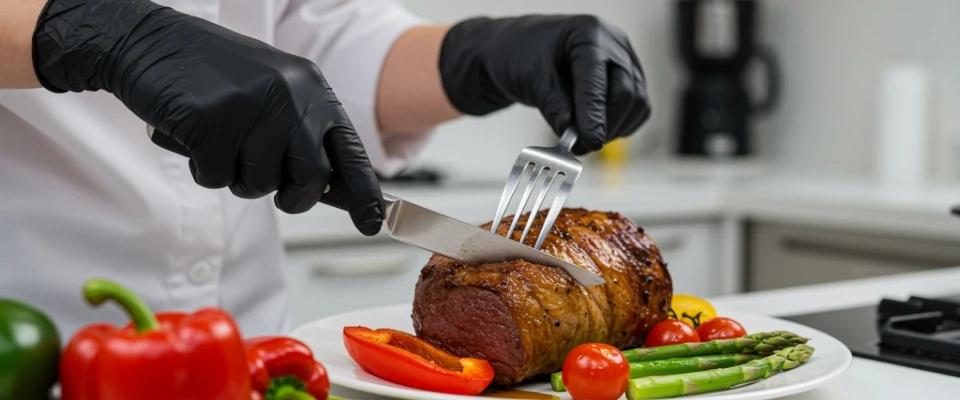
    In the food service industry, the risk of cross-contamination is ever-present. Hands are one of the primary vectors for spreading bacteria, viruses, and allergens from surfaces, raw ingredients, or staff to finished food products. This is why health authorities worldwide mandate the use of disposable gloves in food handling scenarios—and why choosing the right type of glove is so important. The question “what gloves are food safe” is not just a matter of compliance, but of ethical responsibility to customers, especially those with allergies or compromised immune systems.
     
    Food-safe gloves must meet strict standards to ensure they do not leach harmful chemicals into food, resist tearing during use, and provide a barrier against pathogens. They also need to be comfortable enough for staff to wear for extended periods, as discomfort can lead to improper glove use (such as frequent removal or reuse) that undermines safety. For these reasons, top disposable glove suppliers for the food service industry prioritise materials that balance protection, durability, and usability— and nitrile has emerged as a frontrunner in this category.
     
    INTCO Medical, a global leader in disposable gloves and medical consumables, has spent 30 years refining nitrile glove technology to meet the unique needs of food service businesses. Their products are designed to address the core challenges of food safety, from resisting oil and grease to preventing accidental tears that can expose food to contaminants.
    Food Safe Nitrile Gloves: Ideal for Food Service Businesses?

    Nitrile vs Latex Gloves: Which is Better for Food Service?

    When evaluating food-safe gloves, the debate between nitrile vs latex gloves is inevitable. Latex gloves have long been used in medical and food settings for their flexibility and barrier properties, but they come with significant drawbacks that make nitrile a superior choice for food service.
     
    Latex gloves are made from natural rubber, which contains proteins that can trigger allergic reactions in both staff and customers. According to the FDA’s food contact regulations, food service businesses must avoid exposing customers to allergens, and latex proteins can transfer from gloves to food during handling. This poses a serious risk to individuals with latex allergies, who may experience symptoms ranging from skin irritation to life-threatening anaphylaxis.
     
    Nitrile gloves, by contrast, are made from synthetic rubber (acrylonitrile-butadiene copolymer) and are 100% latex-free. This eliminates the risk of latex allergies, making them a safer option for both staff and customers. Additionally, nitrile gloves offer better chemical resistance than latex, protecting hands from cleaning agents, sanitisers, and acidic or oily food ingredients that are common in food service. They are also more durable and less likely to tear during tasks like chopping, mixing, or handling sharp utensils—reducing the need for frequent glove changes and minimising the risk of cross-contamination.
     
    Another key advantage of nitrile is its low powder content. Many latex gloves are powdered to make them easier to don, but the powder can transfer to food, causing respiratory irritation or contamination. Nitrile gloves are typically powder-free (or use food-safe cornstarch powder in rare cases), aligning with food safety standards that restrict particulate matter in food contact environments. For food service businesses, this means nitrile gloves not only protect against allergens but also reduce the risk of physical contamination.
     

    Key Certifications for Food Safe Nitrile Gloves

    To confirm that nitrile gloves are safe for food service, it’s essential to look for industry-recognised certifications. These certifications ensure that gloves meet strict standards for material safety, barrier performance, and food contact compliance. The most important certifications for food-safe nitrile gloves include:

         FDA 510K Certification: The FDA’s 510K clearance is mandatory for gloves intended for medical use, but it also serves as a gold standard for food service gloves. Gloves with FDA 510K certification have been tested to ensure they do not leach harmful substances into food and provide an effective barrier against pathogens. INTCO Medical’s nitrile gloves hold FDA 510K certification, confirming their safety for direct food contact.

          ASTM D3578 Standard: Developed by ASTM International, this standard specifies the requirements for disposable rubber gloves, including nitrile, for medical and food service use. It covers factors like tensile strength, elongation, and barrier resistance to ensure gloves can withstand the rigours of food handling. Nitrile gloves meeting ASTM D3578 are tested for puncture resistance and flexibility, making them reliable for tasks like food prep and serving.

          ISO 9001 and ISO 13485 Certification: These ISO standards focus on quality management systems. ISO 9001 ensures consistent product quality, while ISO 13485 is specific to medical devices and medical consumables. Manufacturers like INTCO Medical that hold both certifications demonstrate a commitment to producing safe, high-quality gloves for food service.

          NSF Food System Certification: The NSF International certification verifies that gloves are suitable for use in food processing and service. It involves rigorous testing for food contact safety, including migration of chemicals and microbial barrier performance. Nitrile food service gloves with NSF certification are trusted by regulatory bodies and food service professionals worldwide.

          BRC System Certification: The BRC Global Standard for Food Safety is widely recognised in the food industry. Gloves certified to BRC standards meet strict requirements for hygiene, safety, and traceability—critical for food service businesses looking to maintain compliance with global food safety regulations.
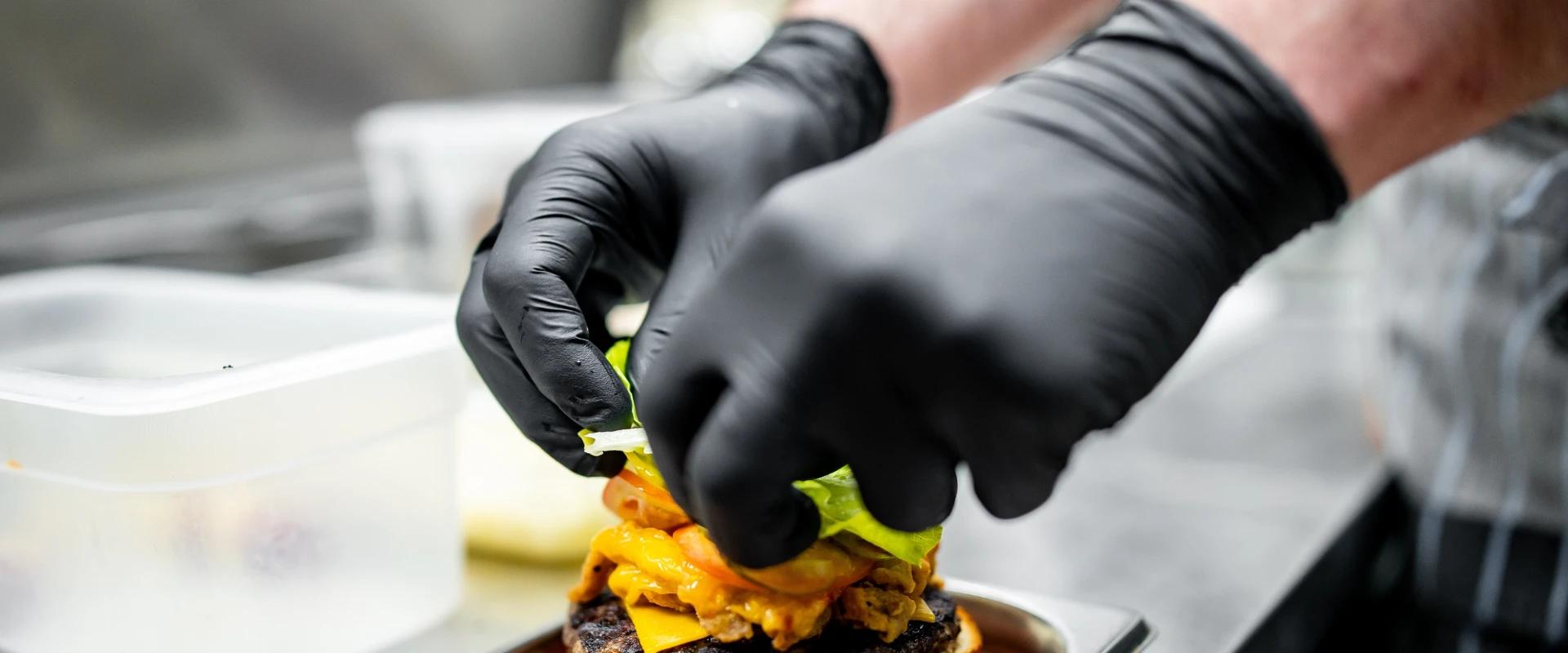
    When shopping for nitrile gloves, always check for these certifications to ensure you’re choosing a product that meets or exceeds industry standards. INTCO Medical highlights its commitment to quality, with all food service gloves undergoing rigorous testing to meet FDA, ASTM, ISO, and BRC requirements.
    Can I Use Nitrile Exam Gloves for Food Service? Safety Guide

    Can I Use Nitrile Exam Gloves for Food? Exploring Use Cases

    A common question among food service operators is: Can I use nitrile exam gloves for food? The short answer is yes—if the gloves are certified for food contact. Nitrile exam gloves are designed for medical use, but many are also approved for food service because they meet the same safety standards as dedicated food service gloves.
     
    The key distinction is certification. Nitrile exam gloves that hold FDA 510K clearance and are labelled as food-safe can be safely used for food handling, preparation, and service. However, it’s important to avoid using exam gloves that are not specifically certified for food contact, as they may not have undergone the necessary testing for chemical migration or microbial barrier performance.
     
    For example, INTCO Medical’s nitrile exam gloves are certified for both medical and food service use, making them a versatile choice for businesses that need gloves for multiple applications (such as handling both food and cleaning supplies). These gloves are tested against over 60 chemicals, including common sanitisers and food ingredients, ensuring they remain intact and safe during use. They also feature a textured surface for enhanced grip, which is essential for handling wet or slippery food items like meat, produce, or dairy.
     
    Another common use case is food prep: Can I use nitrile gloves for food prep? Absolutely. Nitrile’s durability and chemical resistance make it ideal for tasks like chopping vegetables, marinating meat, or mixing dough. Unlike latex, nitrile does not absorb odours or flavours, so it won’t alter the taste of food. It also resists tearing when exposed to sharp objects like knives or graters, reducing the risk of cross-contamination from broken gloves.
     
    Similarly, for food handling—can I use nitrile gloves for food handling?—nitrile gloves are an excellent choice. They provide a secure barrier against bacteria like Salmonella, E. coli, and Listeria, which can cause foodborne illnesses. When used correctly (i.e., changed between tasks, after handling raw meat, and when soiled), nitrile gloves significantly reduce the risk of pathogen transfer from hands to food.
     

    Top Disposable Glove Suppliers for the Food Service Industry: Why Choose INTCO Medical?

    When it comes to sourcing food-safe nitrile gloves, partnering with a reputable supplier is just as important as choosing the right product. The top disposable glove suppliers for the food service industry are those that combine quality, reliability, and compliance— and INTCO Medical stands out as a leader in this space.
     
    With over 30 years of experience in manufacturing medical consumables and rehabilitation products, INTCO Medical has established itself as the largest latex-free disposable gloves manufacturer, with products sold in 150+ countries and regions. Their commitment to quality is evident in their state-of-the-art production facilities, which use advanced technologies like dual hand module production lines and DCS control systems to ensure consistent glove performance. They also prioritise sustainability, with initiatives like wind power projects and LCA (Life Cycle Assessment) certifications that reduce their carbon footprint— a key consideration for food service businesses looking to adopt eco-friendly practices.
     
    INTCO Medical’s nitrile food service gloves are designed specifically for the food industry, with features like enhanced grip, powder-free construction, and compatibility with food-grade sanitisers. They offer a range of sizes to ensure a comfortable fit for all staff, and their gloves are tested to meet the strictest safety standards, including FDA 510K, ASTM, and ISO certifications. Whether you’re a small café or a large catering company, INTCO Medical provides flexible supply chain solutions, including OEM services, to meet your unique needs.
     
    In addition to product quality, INTCO Medical offers exceptional customer support, with dedicated teams to assist with ordering, technical questions, and compliance. Their contact-us page provides easy access to global offices, making it simple for food service businesses worldwide to connect with their team.
     

    Best Practices for Using Nitrile Food Service Gloves

    Even the safest nitrile gloves will only be effective if used correctly. To maximise food safety, food service businesses should follow these best practices:

         1. Choose the right size: Gloves that are too loose or too tight can tear easily or reduce dexterity, leading to improper use. Ensure staff are fitted with gloves that fit snugly but comfortably.

         2. Change gloves frequently: Gloves should be changed after handling raw meat, seafood, or poultry; after touching contaminated surfaces (like trash cans or phones); after using the restroom; and every 2-4 hours during continuous use. This prevents the buildup of bacteria on the glove surface.

         3. Avoid reusing disposable gloves: Disposable nitrile gloves are designed for single use only. Reusing gloves increases the risk of cross-contamination and reduces their barrier effectiveness.

         4. Store gloves properly: Gloves should be stored in a cool, dry place away from direct sunlight and chemicals. Exposure to heat or harsh substances can degrade the material, making gloves more prone to tearing.

         5. Train staff on proper use: Ensure all staff understand how to don, doff, and dispose of gloves correctly. This includes washing hands before putting on gloves and after removing them, as gloves are not a substitute for hand hygiene.

    By following these practices, food service businesses can ensure that their nitrile gloves provide maximum protection against cross-contamination and meet health regulations.
     

    Conclusion: Nitrile Gloves Are a Safe, Reliable Choice for Food Service
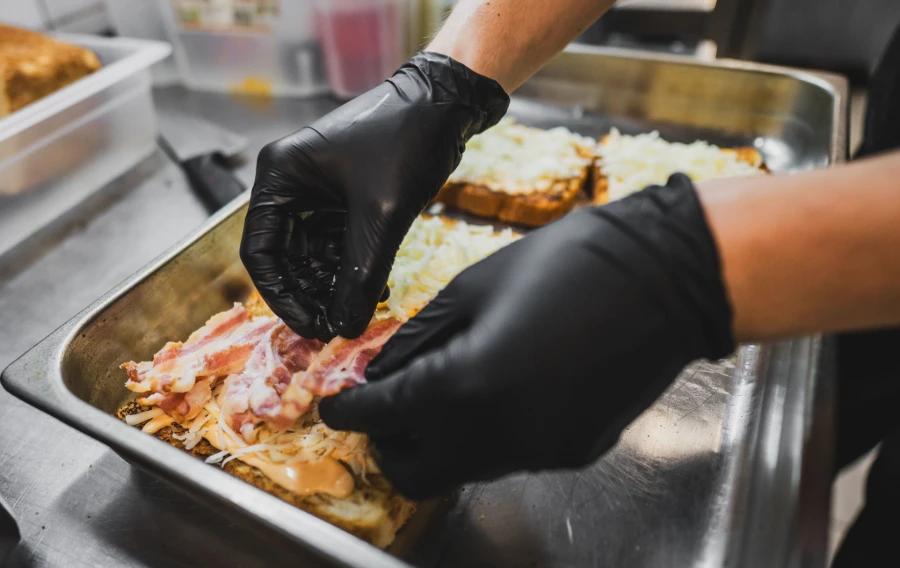
    So, are nitrile gloves food safe for food service businesses? The answer is a resounding yes—when chosen from a reputable supplier and used correctly. Nitrile gloves offer numerous advantages over latex and other materials, including latex-free construction, superior durability, chemical resistance, and compliance with strict food safety certifications. They are suitable for a wide range of food service tasks, from preparation to handling, and provide a secure barrier against pathogens and allergens.
    Are Your Food Handling Gloves FDA-Compliant? Here’s What to Know
    For food service businesses looking to prioritise safety, quality, and compliance, partnering with a trusted supplier like INTCO Medical is essential. Their nitrile food service gloves are designed to meet the unique needs of the industry, with certifications from FDA, ASTM, ISO, and BRC ensuring maximum safety. With a global presence, flexible supply chain solutions, and a commitment to sustainability, INTCO Medical is a top choice for businesses worldwide.
     
    Whether you’re asking “can I use nitrile gloves for food,” “what gloves are food safe,” or “can I use nitrile exam gloves for food,” the key takeaway is that nitrile gloves are a safe, reliable option—provided they meet industry certifications and are used properly. By investing in high-quality nitrile gloves and training staff on best practices, food service businesses can protect their customers, maintain compliance, and build trust in their brand.
     

    Frequently Asked Questions (FAQs) About Nitrile Gloves in Food Service

    Can I use nitrile gloves for food without certifications?

    No. Nitrile gloves for food contact must hold industry-recognised certifications like FDA 510K, ASTM D3578, or NSF Food System certification to ensure they don’t leach harmful chemicals and provide a reliable pathogen barrier. Uncertified gloves pose safety risks. INTCO Medical’s nitrile food service gloves are fully certified for compliance.

    What’s the key difference between nitrile vs latex gloves for food handling?

    Nitrile gloves are 100% latex-free (eliminating allergy risks), more durable, and resistant to oils, grease, and cleaning chemicals—critical for food service. Latex gloves carry allergy risks and degrade faster with food ingredients. Nitrile is the safer, more versatile choice for most food tasks.

    Are nitrile exam gloves food safe for restaurant use?

    Yes, if they’re certified for food contact (e.g., FDA 510K, ASTM D3578). INTCO Medical’s nitrile exam gloves are dual-certified for medical and food use, making them ideal for restaurants needing multi-purpose protection. Avoid non-certified exam gloves, as they may not meet food safety standards.

    How often should I change nitrile food service gloves?

    Change gloves after handling raw meat/seafood, touching contaminated surfaces, using the restroom, or every 2–4 hours of continuous use. Also, replace torn or soiled gloves immediately to prevent cross-contamination. Pair glove use with proper hand hygiene for maximum safety.

    What other glove materials are food safe besides nitrile?

    Vinyl (PVC) and polyethylene (PE) are food-safe alternatives. Vinyl is cost-effective for short tasks (e.g., serving), while PE is thin for one-time use (e.g., handling bread). However, nitrile is superior for high-risk tasks (e.g., food prep with raw ingredients) due to its strength and chemical resistance. Always choose certified gloves.