
Blue vs. Black Disposable Gloves – Features and Differences in the Kitchen
The Science of Colour-Coding: A Safety Blueprint
Black Gloves: The Butcher’s Weapon of Choice
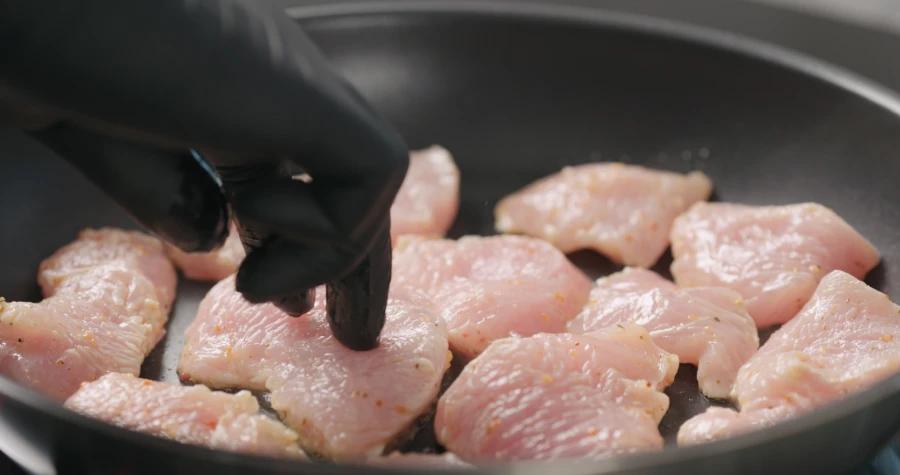
• Stain Resistance: Blood and grease vanish, preserving both aesthetics and hygiene.
• Unyielding Durability: A robust 3-6 mil thickness defies bone fragments and sharp tools.
• Grip Mastery: Micro-textured surfaces ensure precision handling of slippery, fatty cuts.
• Extreme Temperature Tolerance: Remain intact in freezers (-40°C) and high-heat environments.
Blue Gloves: Guardians of Seafood Integrity
• Allergen Visibility: Any cross-contamination risks stand out against the vivid blue backdrop.
• Gentle Touch: Thinner profiles provide dexterity for delicate filleting.
• Odour & Toxin-Free: Materials prevent flavour or safety compromise.
• Puncture Resistance: Reinforced tips guard against sharp fins and shells.
Real-World Impact: Numbers Don’t Lie
• 68% Faster Error Detection: Visual cues reduce human error linked to allergen incidents.
• 57% Fewer Health Violations: Inspections breeze through with colour compliance.
• 34% Less Food Waste: Precise colour-coding prevents costly cross-contamination.