
Top 10 Disposable Glove Manufacturers in the World (2026)
Here’s the bottom line: the 2026 disposable glove market is still led by a small group of global-scale suppliers. This list highlights ten of the most influential names buyers compare most often: Top Glove, INTCO Medical, Hartalega, Ansell, Kossan, Supermax, Sri Trang, Cardinal Health, Medline, and Sempermed.
Across healthcare, food processing, labs, and industrial PPE, these companies shape availability, pricing, and compliance expectations—either through sheer manufacturing output, technical specialisation, or distribution power. Below, each manufacturer is presented in the same format (country, material focus, and estimated annual capacity where available), so you can quickly benchmark suppliers side by side.
Global Disposable Glove Market Overview
In 2026, the disposable gloves market is shaped by both supply-chain geography and material substitution. Forecasts vary with how analysts define the category, but one widely cited outlook expects the market to grow at a roughly 4.7% CAGR in the late 2020s (Technavio’s disposable gloves market analysis).
1) Market structure
A split value chain shapes the global disposable gloves market:
- Southeast Asia dominates production: Malaysia and Thailand remain the most important manufacturing hubs for export-oriented glove capacity.
- Western companies dominate distribution: many of the largest contract relationships (health systems, group purchasing organisations, and industrial catalogues) are managed through North American and European distribution networks.
2) Material shift: nitrile vs latex gloves
In most large-volume procurement categories, nitrile gloves have steadily displaced latex gloves — especially in medical exam applications.
One reason is risk management: latex allergy concerns make “non-latex” portfolios easier to standardise across large workforces. A 2025–2032 outlook on medical examination gloves estimates nitrile at ~58% share of demand, reflecting how far the shift has progressed in mainstream clinical use (Medical Examination Gloves Market Outlook 2025–2032).
3) What’s driving demand in 2026
Across regions, demand is still anchored by three durable drivers:
- Healthcare volume and infection control, including outpatient growth and stricter clinical protocols.
- Food safety regulations that require routine hand protection in processing, packaging, and commercial kitchens.
- Industrial protection needs (chemical handling, light manufacturing, automotive, and general PPE).
Methodology – How We Ranked the Top Manufacturers
Based on a composite view of scale and global relevance (not a single metric), we ranked manufacturers using the following criteria:
- Production capacity (annual output where publicly stated)
- Market share and global presence (where verifiable)
- Global distribution network (direct reach or strategic channel strength)
- Product portfolio breadth (nitrile gloves, latex gloves, vinyl, surgical vs exam)
- Industry reputation (technology leadership, OEM depth, compliance track record)
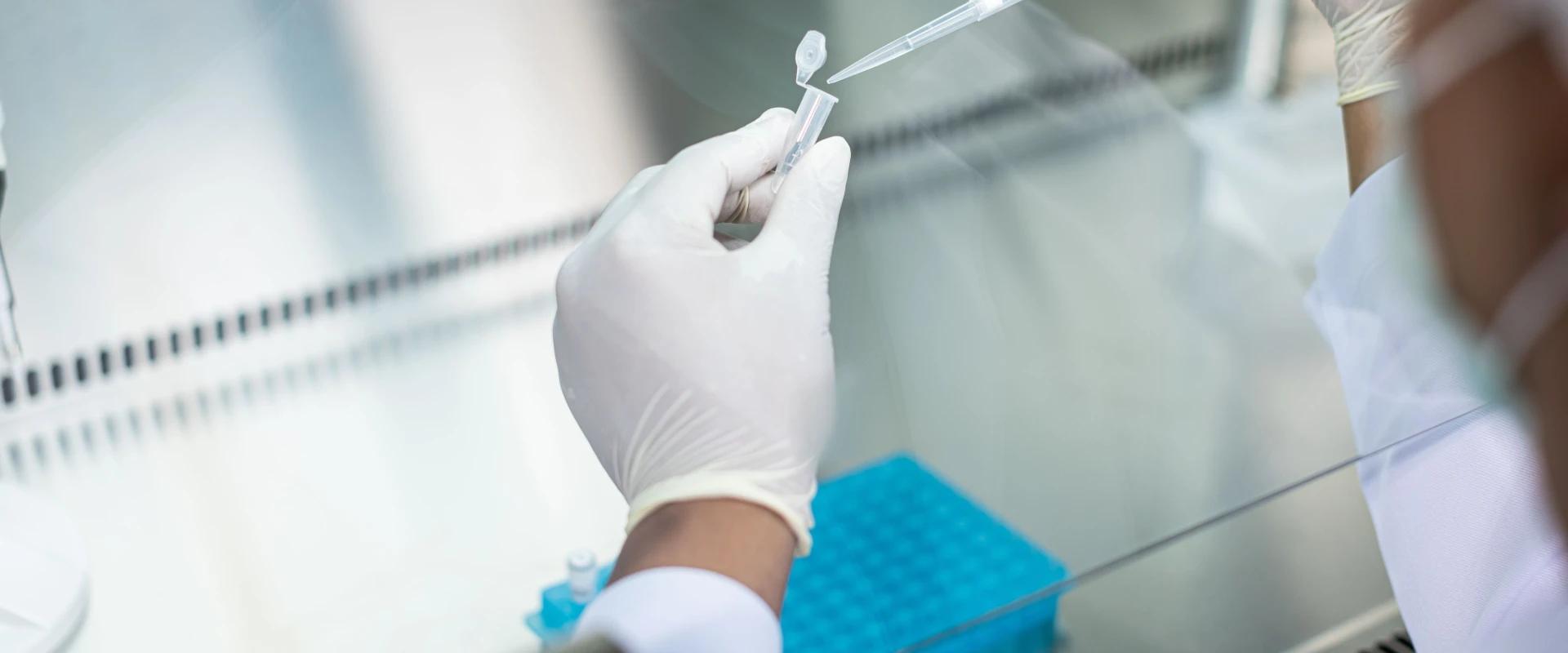
Top 10 Disposable Glove Manufacturers in 2026
1. Top Glove Corporation (Malaysia)
Unique label: Top Glove is widely regarded as the scale benchmark for high-throughput commodity and medical-grade hand protection, spanning nitrile gloves, latex, vinyl, and surgical formats.
- Capacity: ~95 billion gloves/year, as stated in Top Glove’s Integrated Annual Report 2025.
- Portfolio: broad mix across nitrile gloves, latex gloves, vinyl, and specialty variants.
- Global footprint: major manufacturing base in Malaysia with broad export reach into the US, EU, and beyond
2. INTCO Medical (China)
Unique label: non-latex volume leader with scaled nitrile + vinyl capacity. As of 2026, INTCO Medical has positioned itself as one of the world’s most important suppliers of nitrile gloves and vinyl gloves, with a scale profile tailored to high-volume global demand.
- Capacity: INTCO Medical is the world’s largest disposable glove manufacturer by production capacity. Approximately103 billion gloves/year, including 70 billion nitrile gloves and 33 billion vinyl gloves, as stated in INTCO’s Advanced Manufacturing overview.
- Portfolio: a large non-latex mix (nitrile and vinyl), supporting healthcare, food processing, lab, and industrial procurement.
- Manufacturing model: emphasis on automated, large-scale production and export logistics.
For buyers who need documentation beyond capacity, INTCO also publishes materials on ESG and sustainability and an overview of INTCO quality system coverage.
3. Hartalega Holdings (Malaysia)
Unique label: nitrile glove technology leader. Hartalega is often described as a pioneer in modern nitrile gloves, known for pushing thin-gauge performance and high-speed automation.
- Capacity: ~37 billion gloves/year (annual capacity figure commonly cited by Hartalega in corporate materials).
- Portfolio: heavily weighted toward nitrile gloves, with a strong focus on exam gloves.
- Manufacturing edge: high automation density and process discipline aimed at consistency at scale.
4. Ansell Limited (Australia / USA)
Unique label: high-spec protection specialist, not a commodity volume player. Ansell competes less on sheer exam-glove capacity and more on technical, regulated protection needs — including nitrile gloves engineered for chemical resistance or task-specific industrial use.
- Capacity: not typically positioned as the highest-volume producer; prioritises higher-spec categories.
- Portfolio: broad, including nitrile gloves, latex gloves, and multiple industrial protection lines.
- Global reach: strong distribution presence in North America and Europe.
5. Kossan Rubber Industries (Malaysia)
Unique label: OEM powerhouse for global brands. Kossan is frequently associated with contract manufacturing and large-scale supply for label owners and distributors — spanning nitrile gloves and latex exam gloves.
- Capacity: ~24.5 billion gloves/year (annual capacity figure provided).
- Portfolio: strong in medical-grade exam gloves, including nitrile gloves, plus latex and other variants.
- Go-to-market: meaningful OEM orientation alongside branded programs.
6. Supermax Corporation (Malaysia)
Unique label: manufacturer + brand/distribution hybrid. Supermax is notable for combining nitrile gloves production with downstream distribution via owned brands in multiple markets.
- Capacity: ~21.0 billion gloves/year (annual capacity figure provided).
- Portfolio: exam and medical formats across nitrile gloves, latex gloves, and other materials.
- Market reach: stronger presence where branded channels matter (e.g., dental and medical professional markets).
7. Sri Trang Gloves (Thailand)
Unique label: vertically connected to natural rubber, strong in latex + nitrile. Backed by Thailand’s natural rubber ecosystem, Sri Trang has been a major force in latex gloves, while also scaling nitrile gloves capacity to match global demand shifts.
- Capacity: ~51.0 billion gloves/year (annual capacity figure provided).
- Portfolio: strong mix of latex gloves plus expanding nitrile exam and industrial lines.
- Supply chain: advantaged access to upstream rubber networks.
8. Cardinal Health (USA)
Unique label: US healthcare distribution heavyweight. Cardinal Health earns its ranking less from being the biggest producer and more from being a dominant healthcare supplier — often specifying and sourcing nitrile gloves and surgical products through a powerful US distribution engine.
- Capacity: manufacturing capacity exists, but the defining strength is channel reach.
- Portfolio: a wide range of exam and surgical gloves, including nitrile gloves and latex gloves.
- Market position: deep penetration across US hospitals and health systems.
9. Medline Industries (USA)
Unique label: private “one-stop” medical supplies giant with strong own-brand gloves. Medline is one of the most common names in clinical supply rooms, pairing manufacturing and sourcing with large-scale distribution of nitrile gloves and broader medical consumables.
- Capacity: significant sourcing/manufacturing capability; scale is amplified by distribution.
- Portfolio: own-brand exam gloves, including nitrile gloves, plus surgical and specialty lines.
- Global reach: strong North American presence with international expansion.
10. Semperit / Sempermed (Austria / Singapore)
Unique label: European compliance-first supplier with global reach. Semperit (via Sempermed) is a long-standing supplier in regulated markets, supplying nitrile gloves and latex gloves with an emphasis on quality systems and compliance expectations.
- Capacity: generally smaller than the largest Southeast Asian mega-producers, but meaningful in regulated channels.
- Portfolio: exam and industrial lines across nitrile gloves and latex gloves.
- Market strength: strong relevance in Europe and other compliance-sensitive markets.
2026 Disposable Glove Market Trends
| Feature | Trend Description |
|---|---|
| Material Shift | Nitrile gloves continue to dominate mainstream exam demand; one outlook estimates nitrile at ~58% share in medical examination gloves (Medical Examination Gloves Market Outlook 2025–2032). |
| Capacity Growth | Demand is still projected to grow at ~4.7% CAGR (2024–2033) (Allied Market Research), supporting continued automation and selective capacity additions. A single global “billion gloves/year” total is rarely disclosed on public report pages. |
| Eco Innovation | Sustainability is moving from marketing to procurement criteria; buyers increasingly ask for waste and lifecycle improvements alongside performance (especially for high-volume nitrile glove programs). |
| Automation | High-speed automated lines and data-driven quality control are now a core competitiveness lever — particularly for thin-gauge nitrile gloves, where defect rates and consistency can make or break total cost. |
Conclusion
In 2026, the disposable gloves market is still being reshaped by two forces buyers can’t ignore: the continued shift toward nitrile gloves (driven by allergy and performance needs) and the growing advantage of manufacturers that can combine automation with reliable, global distribution.
The top global glove manufacturers listed here represent different kinds of leadership — from sheer volume and OEM depth to high-spec industrial protection and healthcare distribution power. As medical and industrial demand stays structurally strong, the suppliers that win tenders consistently are the ones that can prove capacity, compliance discipline, and supply continuity.
FAQ
What are the largest disposable glove manufacturers in the world?
Top Glove, Hartalega, and INTCO Medical are commonly cited among the most influential players. They’re typically compared using capacity, product breadth (especially nitrile gloves), and global distribution reach.
Who is the largest disposable glove manufacturer?
A practical way to compare scale is disclosed capacity. For context, several major manufacturers report annual capacity in the tens of billions of gloves, including ~95 billion gloves/year for Top Glove and ~103 billion gloves/year for INTCO Medical.
Why are nitrile gloves replacing latex gloves?
The main drivers are latex allergy concerns, stronger chemical resistance, and durability. In many workplaces, the standardisation decision comes down to nitrile vs latex gloves risk management and performance consistency.
Are nitrile gloves safe for food handling?
Yes — nitrile gloves are widely used for food handling when they’re certified as food-safe/food-grade by the supplier. Buyers should verify the product’s intended use, compliance documentation, and any relevant regional requirements.
What industries use disposable gloves?
The biggest users are medical and dental care, food processing and service, industrial/light manufacturing, and beauty/cosmetology. Labs and life sciences are also major consumers of nitrile gloves.