


Our consistently high-quality gloves are guaranteed to provide safety for you, your skin, and your patients.












Advantages of Nitrile Gloves Over Latex and Vinyl: Why Buyers Are Switching
2026.06.10
For two decades, the disposable glove market has moved in one direction: away from latex and vinyl, toward nitrile. Hospitals replaced latex exam gloves after the allergy crisis of the 2000s. Food plants and labs traded up from vinyl when audits got stricter. Today, when a procurement team reviews its glove standard, the question is rarely “should we consider nitrile” — it’s “what are we still buying in latex or vinyl, and why.”
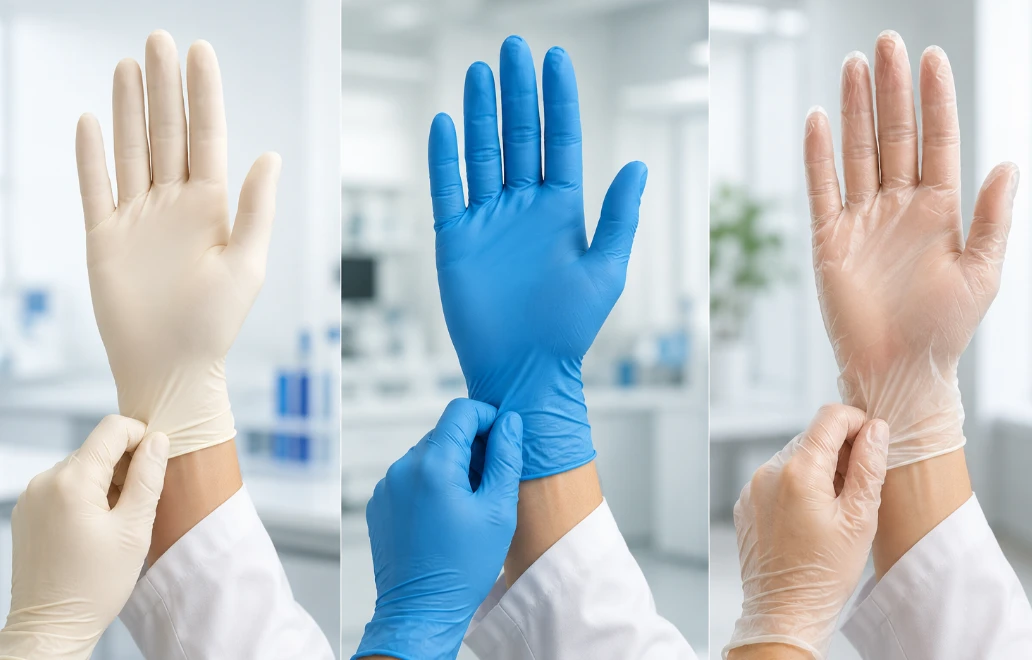
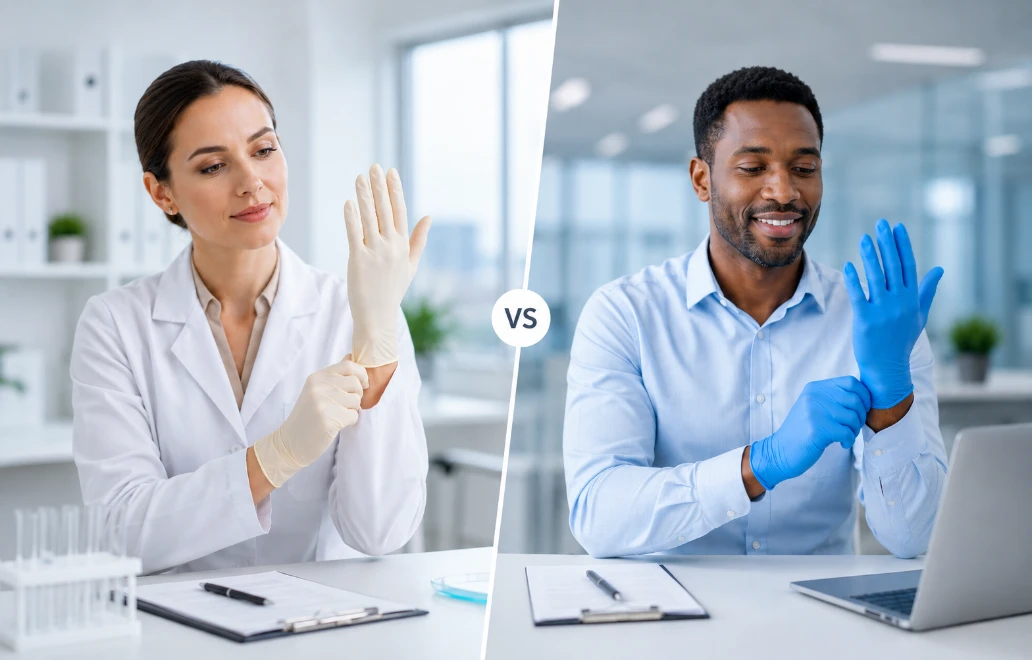
This guide makes the case directly. If you’re weighing an upgrade, or defending a switch to finance, here are the concrete advantages of nitrile gloves over latex and vinyl — on protection, safety, and total cost — along with a clear view of where nitrile is good for your specific applications. (For a neutral, side-by-side comparison of all three materials, see our full latex vs. nitrile vs. vinyl comparison; this article focuses specifically on why nitrile wins for most professional use.)
Advantage 1 — Superior Barrier Strength
The most measurable advantage is durability. Nitrile delivers roughly three to five times the puncture resistance of latex at equivalent thickness, and far more than vinyl, whose loose film develops micro-tears under normal movement.
For any setting where a barrier breach means exposure — to blood, pathogens, sharps, or aggressive chemicals — that strength is the whole argument. It’s why healthcare and dental facilities have steadily replaced latex exam gloves with puncture-resistant nitrile exam gloves: the same clinical fit, with a barrier that holds up to needles and prolonged wear in a way latex and vinyl can’t match. Fewer barrier failures means fewer glove changes, fewer exposure incidents, and a cleaner compliance record.

Advantage 2 — Broad Chemical Resistance
Nitrile resists a far wider spectrum of oils, fuels, solvents, disinfectants, and chemotherapy agents than either latex or vinyl. Latex handles water-based substances but degrades against oils and many solvents; vinyl offers the weakest chemical barrier of the three and breaks down quickly under harsh substances.
This is the advantage that answers “what are nitrile gloves good for” in industrial terms. For heavy-duty industrial, laboratory, and food-processing work that demands real chemical protection, disposable nitrile gloves cover exposure profiles that would defeat latex or vinyl outright. Where chemicals are in play, nitrile isn’t just better — it’s often the only material that qualifies.
Advantage 3 — Latex-Free, Allergy-Safe Protection
Latex’s defining liability is biological: the natural rubber proteins that cause Type I latex allergies, which can be severe. That single risk is what drove healthcare off latex and remains the reason many food and lab operations ban it outright.
Both nitrile and vinyl are latex-free, but nitrile pairs allergy safety with the strength and chemical resistance vinyl lacks — so you don’t trade protection for hypoallergenic safety. And for the most skin-sensitive environments, the upgrade goes further: where some users react to the chemical accelerators used in standard glove curing (a milder, slow-developing Type IV contact dermatitis), accelerator-free nitrile gloves remove those residual accelerators for the highest level of hypoallergenic protection. In the latex vs. latex-free decision, nitrile is the option that solves allergy risk and performance in one move.
Advantage 4 — Better Fit and Tactile Sensitivity Than Vinyl
Latex earned its reputation on feel, and nitrile has closed that gap. Modern nitrile formulations offer a snug, second-skin fit and the fine-motor sensitivity that precision tasks require — a major step up from vinyl, which fits loosely and dulls touch.
For tasks that demand dexterity — clinical procedures, lab pipetting, detailed assembly — nitrile gives buyers latex-like control without the allergy risk and without vinyl’s compromise. Staff comfort also drives compliance: a glove that fits well is a glove that actually stays on through a shift.
Advantage 5 — Lower Total Cost of Ownership
This is the advantage that surprises buyers focused on unit price. Yes, nitrile costs more per glove than vinyl, but massive global scaling has now made it more affordable than natural latex. Still, unit price is the wrong metric. The right one is cost per protected task, and on that measure nitrile consistently wins:
-
Fewer failures, fewer double-gloves. A vinyl glove that tears mid-task gets replaced — or doubled up — doubling consumption. Nitrile’s durability cuts that waste.
-
Fewer incidents. An allergy flare-up or a barrier breach carries high operational costs — workers’ comp, cross-contamination, and compliance exposure — that dwarf any upfront savings.
-
One material, fewer SKUs. Standardising on nitrile across applications simplifies purchasing, inventory, and staff training versus juggling unpredictable latex and low-protection vinyl.
When you account for waste, incidents, and operational complexity, the high-performance choice delivers the lower total cost.
What Are Nitrile Gloves Good For? A Quick Application Map
-
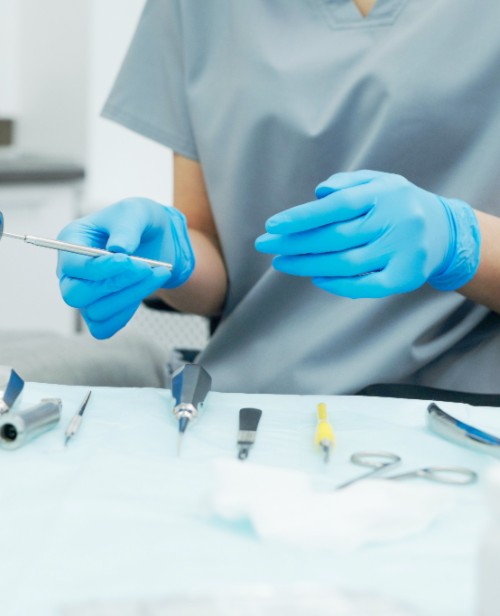
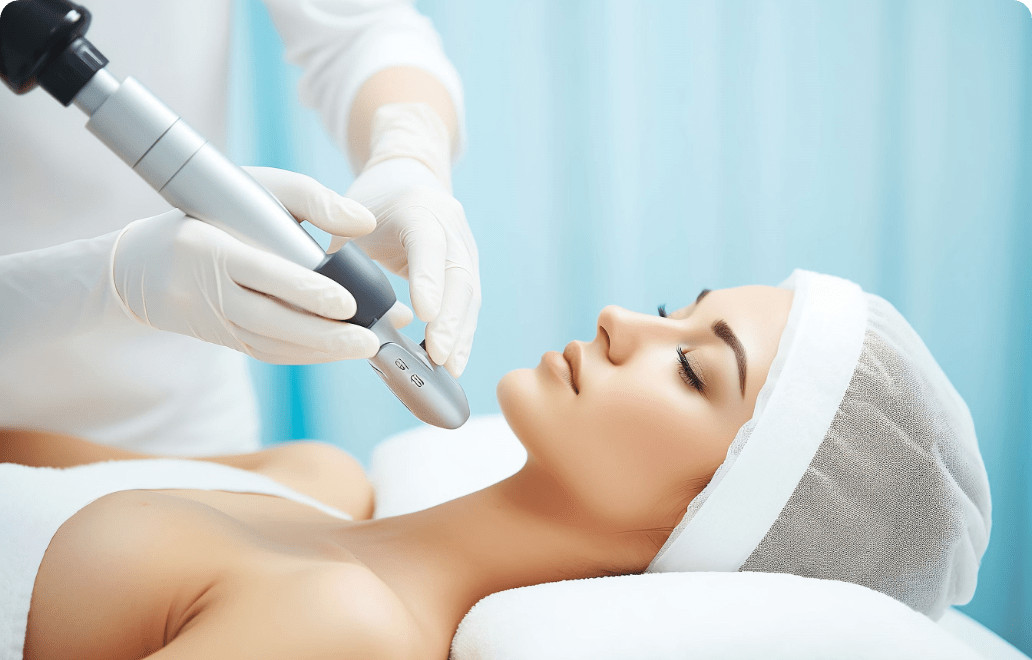
Healthcare & dental: Exam and procedure work — latex-free, puncture-resistant, certified medical grade.
-
Laboratories: Chemical handling, sample work, and anything requiring broad chemical resistance.
-
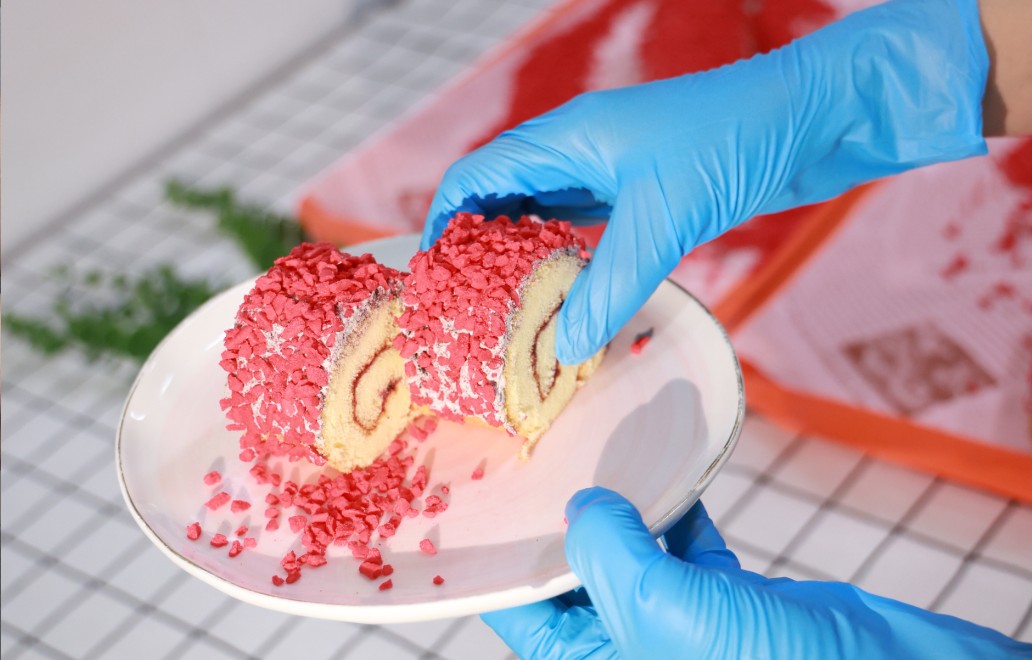
Food processing & foodservice: Tasks involving oils, longer wear, or higher hygiene stakes where vinyl falls short.
-
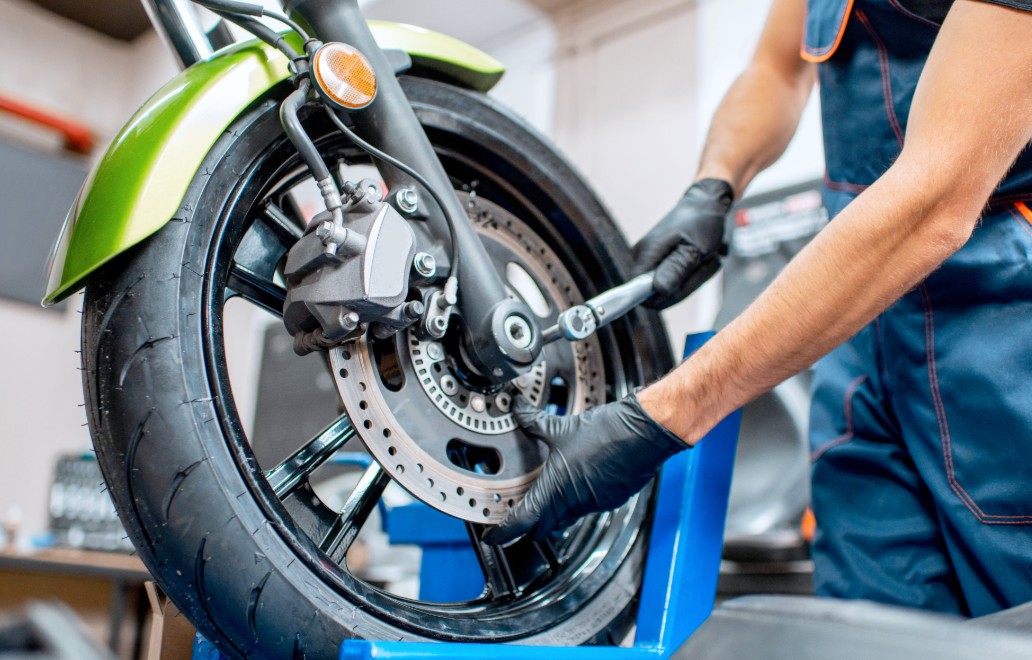
Industrial & automotive: Solvent, fuel, and grease handling that degrades latex and vinyl.
-
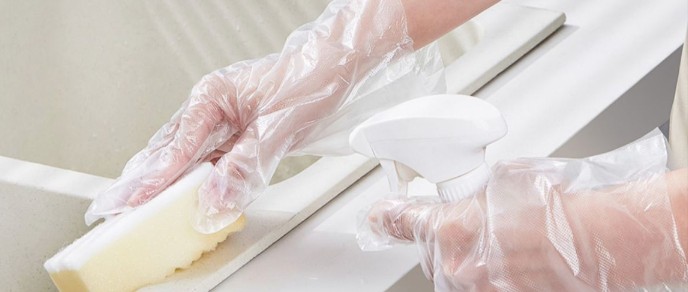
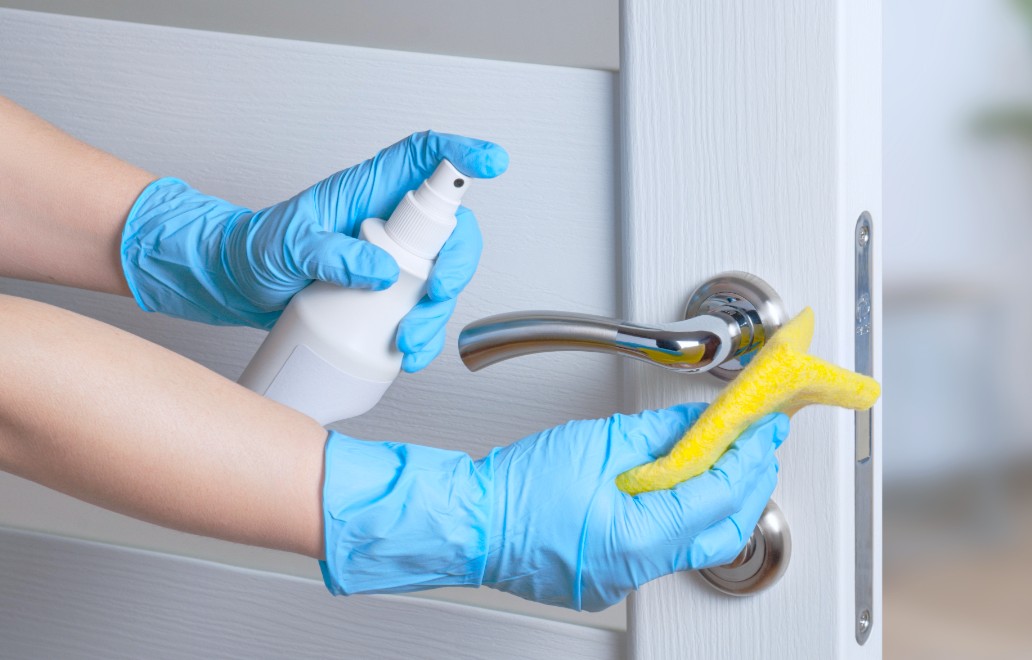
Cleaning & sanitation: Bleach and disinfectant work that demands a real chemical barrier.
The breadth of that list is itself an advantage: nitrile is the one material that performs across nearly every professional setting, which is exactly why it’s become the default.
Frequently Asked Questions
Why are nitrile gloves better than latex and vinyl?
Nitrile combines the strongest puncture and chemical resistance of the three, latex-free allergy safety, and a fit approaching latex — all in one material. Latex carries allergy risk; vinyl offers the weakest barrier. Nitrile is the only option that performs across nearly all professional applications.
Are nitrile gloves the same as rubber gloves?
Nitrile is a synthetic rubber (NBR), while “rubber gloves” usually means natural rubber latex. Both are technically rubbers, but nitrile is latex-free — it contains none of the natural proteins that trigger latex allergies.
What are nitrile gloves good for?
Almost everything in professional settings: medical and dental exams, lab and chemical handling, food processing, industrial and automotive work, and cleaning with harsh disinfectants. Their breadth is the main reason facilities standardise on them.
Is nitrile worth the higher price over vinyl?
For most professional tasks, yes. Vinyl’s lower unit price is offset by more failures, more double-gloving, and weaker protection. On cost per protected task, nitrile usually comes out ahead — reserve vinyl only for the lowest-risk, shortest-duration jobs.
What about latex allergies — is nitrile safe?
Yes. Nitrile is latex-free and carries no Type I latex allergy risk. For users sensitive to curing accelerators, accelerator-free nitrile removes that residual risk too.
The Bottom Line for Buyers
The advantages of nitrile over latex and vinyl aren’t marginal — they’re structural: a stronger barrier, broader chemical resistance, latex-free safety, latex-like fit, and a lower total cost once waste and incidents are counted. That combination is why the market has spent two decades moving toward nitrile, and why most facilities reviewing their glove standard end up upgrading.
As the world’s largest nitrile glove manufacturer, INTCO Medical produces the full range — medical-grade exam, industrial, and accelerator-free nitrile — with certification documentation provided at the RFQ stage. If you’re considering a switch from latex or vinyl, the fastest way to validate it is a direct manufacturer sample-and-quote against your real applications.
Ready to upgrade your glove standard? Request samples and a quote from INTCO Medical and see how nitrile performs against your current latex or vinyl in your own environment.


.png)

