
Comparing the Cost: Disposable Nitrile Gloves vs. Vinyl and Latex
Disposable vinyl gloves usually have the lowest upfront cost, latex gloves are often mid-priced, and nitrile gloves typically cost more per piece. However, the most cost-effective choice depends on the application. Nitrile gloves often provide better long-term value for medical, laboratory, food processing, and industrial use because they offer stronger puncture resistance, chemical resistance, and durability. Vinyl gloves are suitable for short, low-risk tasks, while latex gloves remain cost-effective when comfort, elasticity, and tactile sensitivity are priorities. Whether buying for personal needs or large-scale orders, grasping how prices are set enables individuals and companies to choose wisely.
Which Disposable Glove Material Costs the Least?
The expense of disposable gloves hinges on the material type. Three primary varieties exist: latex, nitrile, and vinyl. Traditionally, latex gloves rank as the high-end option because of their exceptional stretchiness and ease of wear. Nitrile gloves, crafted from artificial rubber, gain favour for their robustness and resistance to chemicals. Consequently, they often become the go-to pick in medical and industrial contexts. Vinyl gloves, formed from PVC, typically cost the least. However, they provide reduced strength and flexibility compared to the other two choices.
For companies and individuals pondering how much disposable gloves cost, recognising the price variations among these materials proves crucial. The decision rests not solely on funds but also on performance demands, safety rules, and the task at hand.
Disposable Glove Material Costs: What Affects Pricing?Natural Latex – The Premium Price Tag Explained
Latex gloves originate from natural rubber, a resource that demands thorough gathering and refinement. The cost of latex gloves shifts due to reliance on rubber farms, mostly located in Southeast Asia. Weather shifts, worker wages, and worldwide supply interruptions impact production. Thus, latex gloves often carry a steeper price than synthetic substitutes.
The painstaking effort of extracting and treating latex boosts its total expense. Several rounds of cleaning and purifying are required to eliminate proteins that might trigger allergies. Additionally, the cost of disposable gloves made from latex rises due to rigorous quality checks ensuring they meet medical standards.
| Material | Cost Position | Best Use Cases | Main Cost Advantage | Key Limitation |
|---|---|---|---|---|
| Nitrile gloves | Medium to high | Healthcare, laboratories, food processing, chemical handling, industrial PPE | Better durability, puncture resistance, and lower breakage risk | Higher upfront cost than vinyl |
| Vinyl gloves | Low | Food handling, light cleaning, short-duration low-risk tasks | Lowest unit price | Lower durability and weaker fit |
| Latex gloves | Medium | Medical exams, dental work, tasks requiring flexibility and touch sensitivity | Strong elasticity and comfort | Latex allergy risk and natural rubber price fluctuation |
Nitrile’s Synthetic Advantage
Nitrile gloves are made from synthetic rubber, which gives them strong resistance to punctures, oils, chemicals, and many common workplace contaminants. Although nitrile gloves usually cost more than vinyl gloves, they can reduce total cost in high-use environments because workers may need fewer replacements during a shift. For buyers in healthcare, laboratories, food processing, and industrial safety, nitrile is often the best value choice when protection and durability matter.
Vinyl’s Budget-Friendly Formula
Vinyl gloves are the most budget-friendly choice for low-risk and short-duration tasks. They are often used in food service, light cleaning, general hygiene, and tasks where frequent glove changes are required. Their main advantage is low purchase cost, but buyers should avoid using vinyl gloves for high-risk medical, chemical, or industrial applications because they have lower stretch, weaker fit, and reduced durability compared with nitrile or latex.
Production Complexities That Impact Your Budget
Latex’s Labour-Intensive Processing
Creating latex gloves involves intense washing, leaching, and chlorination to strip away allergens. These extra steps lift latex gloves’ price above nitrile and vinyl alternatives.
Buyers often ask, “Why are latex gloves more expensive than nitrile ones?” The reason ties back to sourcing and refining. As a natural substance, latex demands extensive prep before it suits medical or industrial use.
Automated Nitrile Manufacturing
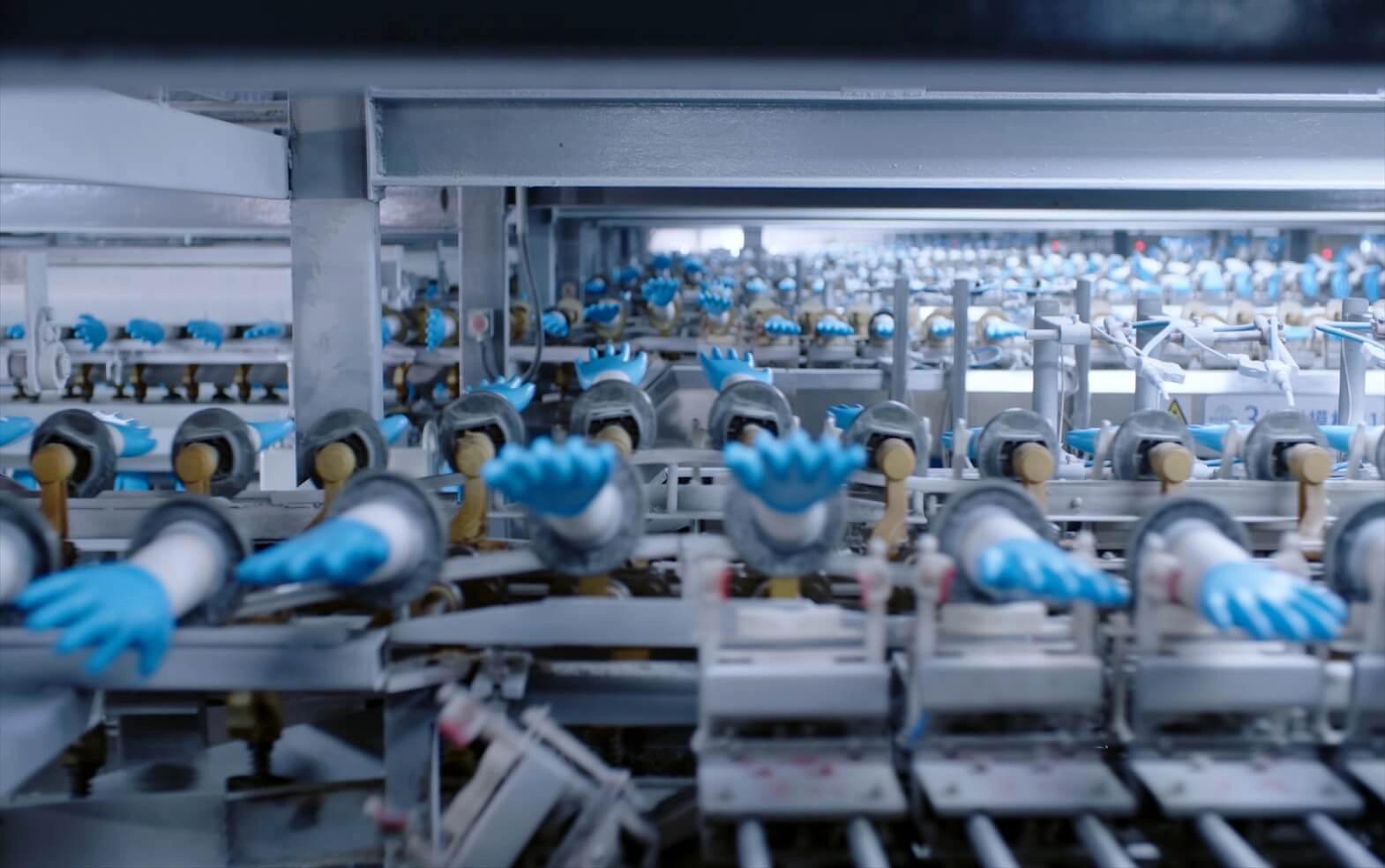
In contrast, nitrile gloves arise from an automated process. This setup lets disposable nitrile gloves suppliers ramp up production smoothly. Thanks to tech improvements, many producers now craft nitrile gloves in large batches while sticking to tough quality rules.
Automation trims labor expenses in nitrile production. As a result, prices stay steady even during demand surges. This reliability explains why many firms choose the best disposable nitrile gloves for strength and value.
When Are Nitrile, Vinyl, and Latex Gloves Most Cost-Effective?
When Latex Justifies Its Price
Latex gloves shine in tasks needing sharp touch sensitivity, like medical exams or surgeries. Their stretchiness and comfort outmatch nitrile and vinyl in cases requiring precise movements.
People often ask, “How much are disposable latex gloves in surgical settings?” Since medical-grade latex gloves must satisfy strict FDA and ISO rules, they cost more than everyday gloves.
Nitrile’s Cost-Effective Durability
For fields needing strong chemical resistance and puncture protection, nitrile gloves stand out. Be it labs, car repair shops, or factories, the best nitrile disposable gloves deliver a solid mix of affordability and toughness.
Vinyl’s Limited but Affordable Applications
Vinyl gloves often appear in food service and cleaning roles due to their low price. While disposable vinyl gloves wholesale deals save money, their reduced durability limits them to short-term use.
Market Forces Shaping Glove Economics
Supply Chain Vulnerabilities in Latex
The natural rubber supply chain faces vulnerabilities from environmental fluctuations. Storms, dry spells, and tree diseases can spark sudden price jumps. Because of this, industries using latex gloves sometimes turn to disposable nitrile gloves in bulk options to dodge supply risks.
Petrochemical Pricing & Nitrile Production
Nitrile gloves, being synthetic rubber, tie their cost to petrochemical prices. Swings in the oil market can alter expenses for nitrile disposable gloves supplier networks.
Buyers frequently ask, “How much do disposable gloves cost during fuel crises?” Since nitrile relies on petroleum inputs, climbing oil prices can push nitrile glove costs upward.
Sustainability Pressures and Future Costs
Deforestation Regulations & Latex
Growing environmental worries about deforestation and rubber plantations have tightened latex production rules. As eco-friendliness gains focus, the cost of disposable gloves from natural rubber might rise due to greener farming methods.
Recycling Challenges for Synthetics
Nitrile and vinyl gloves pose recycling hurdles. As governments push for sustainable options, future prices could shift with eco-friendly breakthroughs.
How much is vinyl glove production affected by plastic bans?
Since vinyl gloves use PVC, stricter plastic regulations might influence future production and costs.
Smart Purchasing Strategies
Bulk Buying Considerations
For firms needing heaps of gloves, bulk buying trims expenses. Purchasing wholesale disposable latex gloves or disposable nitrile gloves bulk options secures a steady stock while cutting per-unit costs.
Customisation for Cost Control

Certain sectors have unique glove needs tied to thickness, size, or chemical resistance. Companies with unique demands can tap INTCO Medical Customisation Service for tailored answers. INTCO Medicalis the world’s largest disposable glove manufacturer. INTCO Medical provides custom nitrile, vinyl, and latex gloves. These options tweak designs to fit usage habits while managing long-term expenses.
Optimise Your Glove Procurement with Smart Choices
Understanding what drives disposable glove costs empowers firms to make sharper buying decisions. Whether valuing toughness, low cost, or green practices, picking the right material boosts efficiency and savings.
Need help choosing the most cost-effective disposable gloves for your application?
INTCO can support PPE buyers with nitrile, vinyl, and latex glove options for healthcare, food handling, cleaning, laboratory, and industrial use. Contact our team to compare glove materials, specifications, packaging, and bulk purchasing options based on your protection requirements and budget.
FAQ: Disposable Glove Cost Comparison
Are nitrile gloves more expensive than vinyl gloves?
Yes. Nitrile gloves usually have a higher unit price than vinyl gloves because they offer better durability, puncture resistance, and chemical resistance. In high-risk or high-use environments, nitrile gloves may still reduce total cost by lowering breakage and replacement frequency.
Are vinyl gloves the cheapest disposable gloves?
Yes. Vinyl gloves are usually the lowest-cost disposable glove option by unit price. They are best suited for short-duration, low-risk tasks such as food handling, light cleaning, and general hygiene use.
Are latex gloves cheaper than nitrile gloves?
Latex gloves are often less expensive than nitrile gloves, but prices can fluctuate because latex depends on the natural rubber supply. Buyers should also consider latex allergy risk before choosing latex gloves.
Which glove material is best for healthcare procurement?
Nitrile gloves are often preferred for healthcare procurement because they are latex-free and provide strong barrier protection, puncture resistance, and durability. Latex may be suitable when tactile sensitivity is important, while vinyl is better for lower-risk tasks.
How can companies reduce disposable glove procurement costs?
Companies can reduce costs by selecting the right glove material for each task, buying in bulk, standardising glove specifications, reducing unnecessary overuse, and working with a reliable manufacturer that can support a stable supply.