
Disposable TPE vs PVC Gloves: Differences, Benefits, and Best Uses
TPE gloves and PVC gloves are widely used disposable gloves, but they differ in flexibility, chemical resistance, durability, comfort, and environmental impact.
TPE gloves are soft, latex-free gloves commonly used in food handling, beauty care, cleaning, and light-duty tasks. PVC gloves provide stronger chemical resistance and durability, making them suitable for medical, industrial, and laboratory environments.
Choosing between TPE and PVC gloves depends on the required levels of protection, comfort, and flexibility, as well as the application environment.
Disposable TPE gloves and disposable PVC gloves are used in a wide range of applications across various settings, from food handling to industrial use. Both offer protection and hygiene benefits but differ in material, tensile strength, and environmental impact. Understanding these differences allows consumers to choose the most appropriate gloves for their purposes. This blog explains how TPE and PVC gloves differ in terms of materials, properties, and applications.
| Feature | TPE Gloves | PVC Gloves |
|---|---|---|
| Material | SEBS and polyethylene | Polyvinyl chloride (PVC) |
| Flexibility | Soft and flexible | More rigid |
| Durability | Moderate | High |
| Chemical Resistance | Moderate | High |
| Comfort | Breathable and comfortable | Less breathable |
| Allergy Risk | Latex-free | Latex-free |
| Food Safety | Food-safe and non-toxic | Food-grade options available |
| Environmental Impact | More recyclable | Less environmentally friendly |
| Best Applications | Food handling, beauty care, and cleaning | Medical, industrial, chemical handling |
When to Use TPE Gloves vs PVC Gloves
TPE Gloves Application
TPE gloves possess varied uses in businesses that hold food safety, flexibility, and comfort in high esteem. During food handling, they are used extensively in restaurants to cut meat, process salads, and handle baking. Food-safe and non-toxic properties of the gloves keep food from getting contaminated. They are soft and flexible, excellent for sensitive applications, such as the way a pastry chef shapes dough without bending the texture.
For house cleaning, disposable TPE gloves are useful in avoiding the hands from touching harsh chemicals like bleach cleaners and degreasers. They are waterproof and oil-resistant and are best suited for washing dishes and cleaning oily surfaces. In the bathroom, they protect the hands from mould-removing products and other harsh cleaners, for instance, when one is cleaning a bathtub.
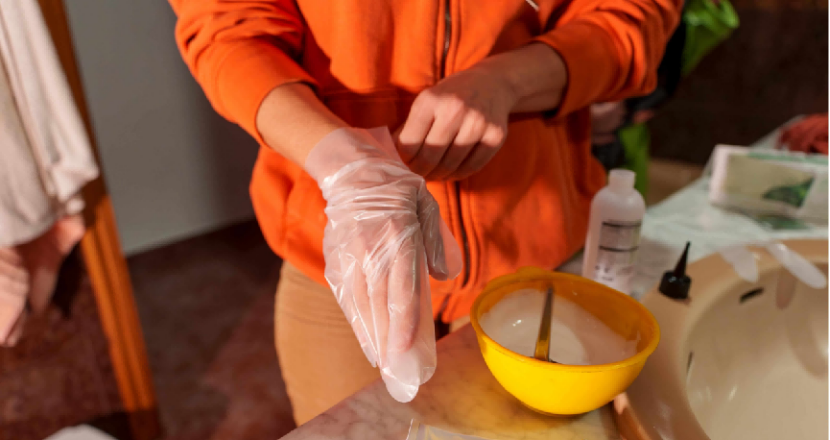
TPE gloves also find application in the beauty and hair care industry. Hairstylists apply them every time they do chemical processes like perming and hair dyeing, thus protecting them against chemical exposure. Estheticians apply TPE gloves every time they do facials and treatments, keeping their hands clean and protecting them from serums and lotions.
TPE gloves serve many purposes in connection with pet care as well. Latex-free gloves ensure hands do not have contact with grime when serving animals, showering them or scooping out litter, and ensure even germs and parasites are not allowed to pass on man to animal, and hence the gloves are a worthwhile investment on the part of the owners for keeping them within reach.
PVC Gloves Application
PVC gloves are used extensively in heavily protective, property-demanding sectors like medicine and industry. In the medical sector, they are used extensively by physicians in routine patient examinations, dentistry, and non-surgical interventions. They are an excellent barrier to body fluids, viruses, and bacteria and shield patients and physicians. They possess low levels of allergenicity, and they may be used in the majority of healthcare centres.
In electronics, PVC gloves are utilised when touching sensitive components like microchips and circuit boards. The anti-static feature is a shield against electrostatic discharge, which is harmful to sensitive components during the assembly process, particularly in the production of semiconductors.
The PVC gloves also rely on the chemical industry for the provision of chemical resistance. Chemical plant workers, laboratory researchers, and chemical lab workers use them to handle concentrated bases, acids, and industrial chemicals. Paint plant workers, for example, utilise PVC gloves to protect their hands from solvents and pigments.
PVC gloves are classified under factory production for cutting objects, oil, and chemical work. Auto factory workers, construction workers, and other factory workers utilize PVC gloves to avoid injuries when handling important assembling, maintenance, and construction materials.
Safety and Comfort Protected with INTCO Medical Gloves
INTCO Medicalis the world’s largest disposable glove manufacturer. INTCO Medical offers superior TPE and PVC gloves for different purposes. Its TPE gloves are manufactured with superior material for protection, durability, and comfort. Forfood handling, cleaning, or beauty treatment, the gloves are international-standard, latex-free, food-safe, and environmentally friendly.
INTCO disposable PVC gloves are improved in puncture resistance and chemical resistance, and are suitable to be applied for industrial and medical purposes. They are specially made from improved PVC materials and additives to ensure the highest level of safety. The gloves are applied in other industries for protection and durability.
INTCO Medical gloves are very reliable with excellent performance beyond expectations. For orders in bulk or for single-use purposes, they manufacture their products to suit varying professional and individual needs.
Conclusion
TPE gloves and PVC gloves are designed for different applications and protection needs.
TPE gloves are soft, flexible, latex-free gloves suitable for food handling, beauty care, cleaning, and light-duty tasks. PVC gloves provide stronger durability and chemical resistance, making them suitable for medical, industrial, laboratory, and chemical environments.
Choosing the right disposable glove depends on comfort requirements, protection level, work environment, and intended use.
Frequently Asked Questions
What is the main difference between TPE gloves and PVC gloves?
TPE gloves are generally softer and more flexible, while PVC gloves provide stronger durability and chemical resistance.
Are TPE gloves safe for food handling?
Yes. Many TPE gloves are food-safe, latex-free, and suitable for food preparation and handling tasks.
Which gloves are better for chemical resistance?
PVC gloves generally provide better chemical resistance than TPE gloves.
Are TPE gloves environmentally friendly?
TPE gloves are generally considered more recyclable and environmentally friendly compared with PVC gloves.
Which gloves are more comfortable?
TPE gloves are usually softer, more flexible, and more breathable than PVC gloves.
Are PVC gloves suitable for medical use?
Yes. PVC gloves are commonly used in medical examinations and non-surgical healthcare environments.